May is Mental Health Awareness Month, a time to raise awareness and reduce the stigma around mental health issues. It is an opportunity to encourage people to seek help and support, and to promote mental health wellness and education. Mental health is an important aspect of our overall health, and it is essential that we prioritize our mental health just as we do our physical health.
Mental health conditions are common and affect millions of people around the world. These conditions can range from anxiety and depression to bipolar disorder and schizophrenia. They can impact every aspect of a person’s life, including their relationships, work, and daily functioning.
My mental health has always been my biggest priority. When I created Ihunanya, the mental and emotional wellness of myself and my community were the most important aspects I incorporated into my events. During the time that I created Ihunaanya, I had lost my brother, Justin. In the United States, the Black community had to succumb to seeing multiple members of our community slain by brutality. It became normal to see it on in news outlets and social media. I felt like we all needed a safe space and a healing space. The best way I knew how to do that was to completely leave the environments we were used to and go hiking, camping, or backpacking. Reconnecting with nature and disconnecting from the social constructs of life was my solution.
Ihunaanya couldn’t fix anyone’s problems, not even my own, but it was a gentle way of coping and creating space for those who needed it. However, when taking care of your mental health, it is essential to find ways to best help yourself:
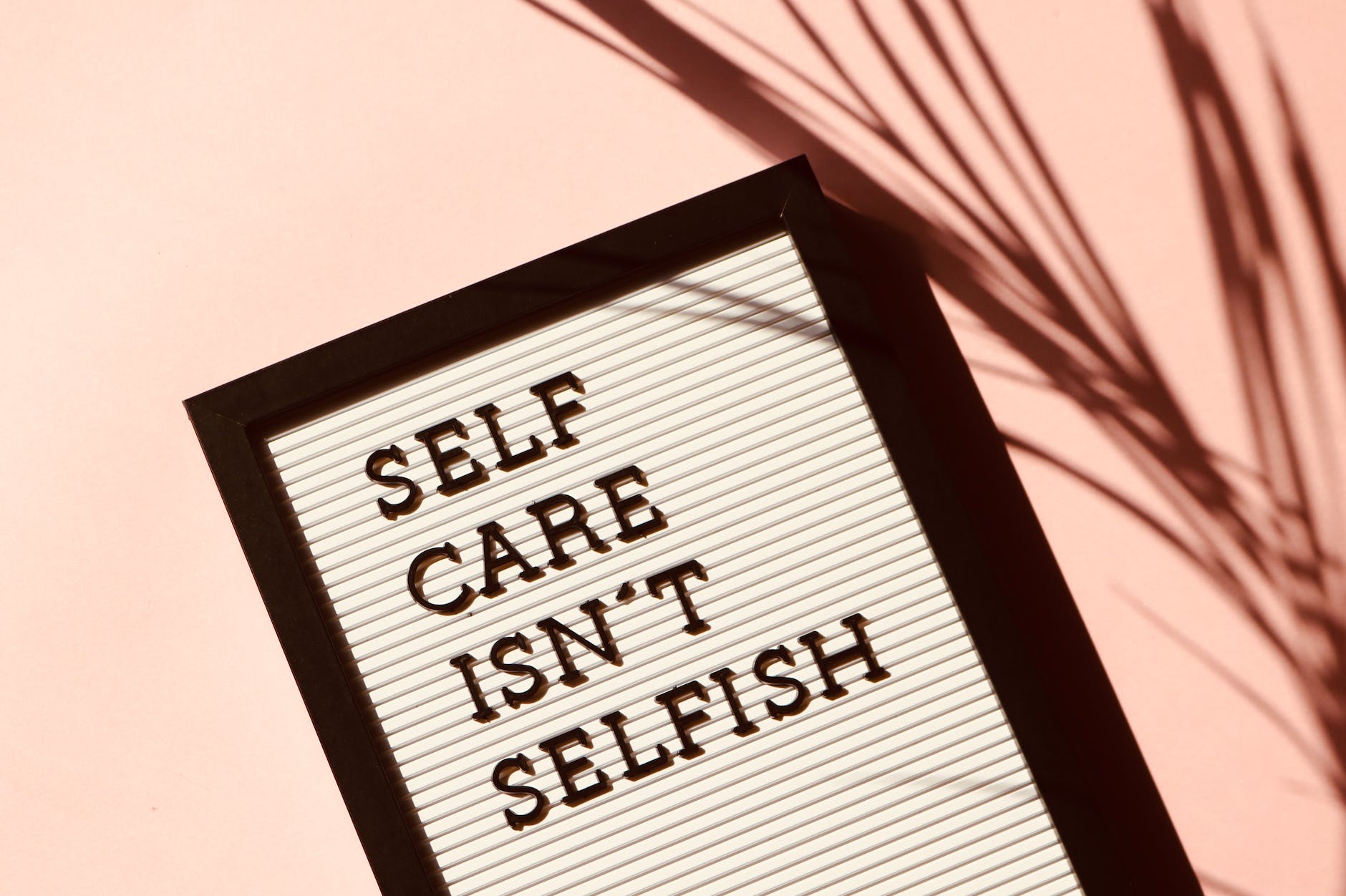
- Practice self-care: This can include getting enough sleep, eating a balanced diet, and engaging in regular exercise. It can also mean taking time to engage in activities that you enjoy and that help you feel calm and relaxed, such as reading, meditating, or practicing yoga.
- Stay connected with others: Social connections are important for mental health. Make time to connect with friends and family, either in person or virtually, and participate in social activities that bring you joy.
- Seek support: It is important to seek support if you are struggling with your mental health. This can include talking to a trusted friend or family member, seeking professional therapy or counseling, or joining a support group.
- Manage stress: Stress can have a negative impact on mental health. Practice stress-management techniques such as deep breathing, mindfulness, or journaling to help reduce stress.
- Limit alcohol and drug use: Substance use can exacerbate mental health conditions and have negative impacts on overall well-being. It is important to limit or avoid the use of drugs and alcohol.
- Practice gratitude: Focusing on gratitude and positive experiences can help improve mental health. Take time each day to reflect on things you are grateful for and focus on the positive aspects of your life.
- Prioritize boundaries: Setting boundaries is important for mental health. Learn to say no when you need to, and prioritize your own needs and well-being.
One of the most important things we can do during Mental Health Awareness Month is to educate ourselves and others about mental health. This includes understanding the signs and symptoms of mental health conditions, as well as knowing where to seek help and support. During 2021, I was steadfast in wanting a professional therapist that specialized in helping women of color. Luckily, I found an office that provided just that called, “Womxn of Color Therapy Inc.” While I had the financial means, I loved the sessions I was able to have with my therapist and found the tools I was given helpful, useful, and relevant to my particular life.

There are so many resources available for those who may be struggling with their mental health, including therapy, support groups, and medication. I suggest you do thorough research to find what suits you and will help you be the best you. It is important to remember that seeking help is a sign of strength, not weakness, and that there is no shame in needing support.
To further promote mental health awareness and education, I would like to recommend three books that address mental health and wellness:
- “The Body Keeps the Score” by Bessel van der Kolk: This book explores the connection between trauma and the body, and how unresolved trauma can impact our mental and physical health. It offers practical strategies for healing and recovery.
- “Lost Connections” by Johann Hari: This book examines the root causes of depression and anxiety, including social and environmental factors. It offers a new perspective on mental health and suggests ways we can address these underlying causes.
- “Maybe You Should Talk to Someone” by Lori Gottlieb: This memoir follows the experiences of a therapist as she seeks therapy herself. It provides a compassionate and insightful look into the therapy process and the ways in which therapy can help us navigate life’s challenges.
In conclusion, Mental Health Awareness Month is an important opportunity to raise awareness and reduce the stigma around mental health issues. By educating ourselves and others, seeking help and support when needed, and promoting mental health wellness and education, we can help ensure that everyone has the resources and support they need to thrive.



Leave a Reply