Thanksgiving, a beloved American holiday, carries a rich tapestry of history, symbolizing gratitude, unity, and the coming together of diverse cultures. In this blog post, we’ll delve into the origins of Thanksgiving, its evolving significance, and how we can honor the Native Americans and remember the lives lost in the process.
The Origins of Thanksgiving
The roots of Thanksgiving trace back to 1621, when Pilgrims and Wampanoag Native Americans shared a harvest feast in Plymouth, Massachusetts. This event, although not formalized as a holiday, signifies a moment of unity and gratitude between two distinct cultures.

The Evolution of Thanksgiving
Over the years, Thanksgiving transformed into a national holiday. In 1863, President Abraham Lincoln proclaimed Thanksgiving a national day of gratitude, emphasizing the importance of unity during a time of great division in the United States.
Today, Thanksgiving serves as a reminder to appreciate our blessings, embrace our shared history, and foster a sense of togetherness.

Honoring Native Americans: Acknowledging Our Shared History
- Education and Awareness: Educate yourself and others about the rich cultural heritage, traditions, and challenges of Native American communities. Understanding their history is crucial for fostering empathy and respect.
- Support Indigenous Businesses and Artisans: Purchase goods and artwork from Indigenous artisans. This not only supports their livelihoods but also helps preserve their unique crafts and traditions.
- Participate in Native American Events and Workshops: Attend cultural events, workshops, and festivals organized by Native American communities. These experiences provide valuable insights into their way of life and foster mutual understanding.
- Advocate for Native American Rights: Raise awareness about issues facing Native American communities, such as land rights, access to quality education, and healthcare. Support initiatives and organizations working towards positive change.
- Visit Indigenous Heritage Sites: Explore museums, cultural centers, and heritage sites dedicated to Native American history and culture. These places offer opportunities for meaningful learning and reflection.
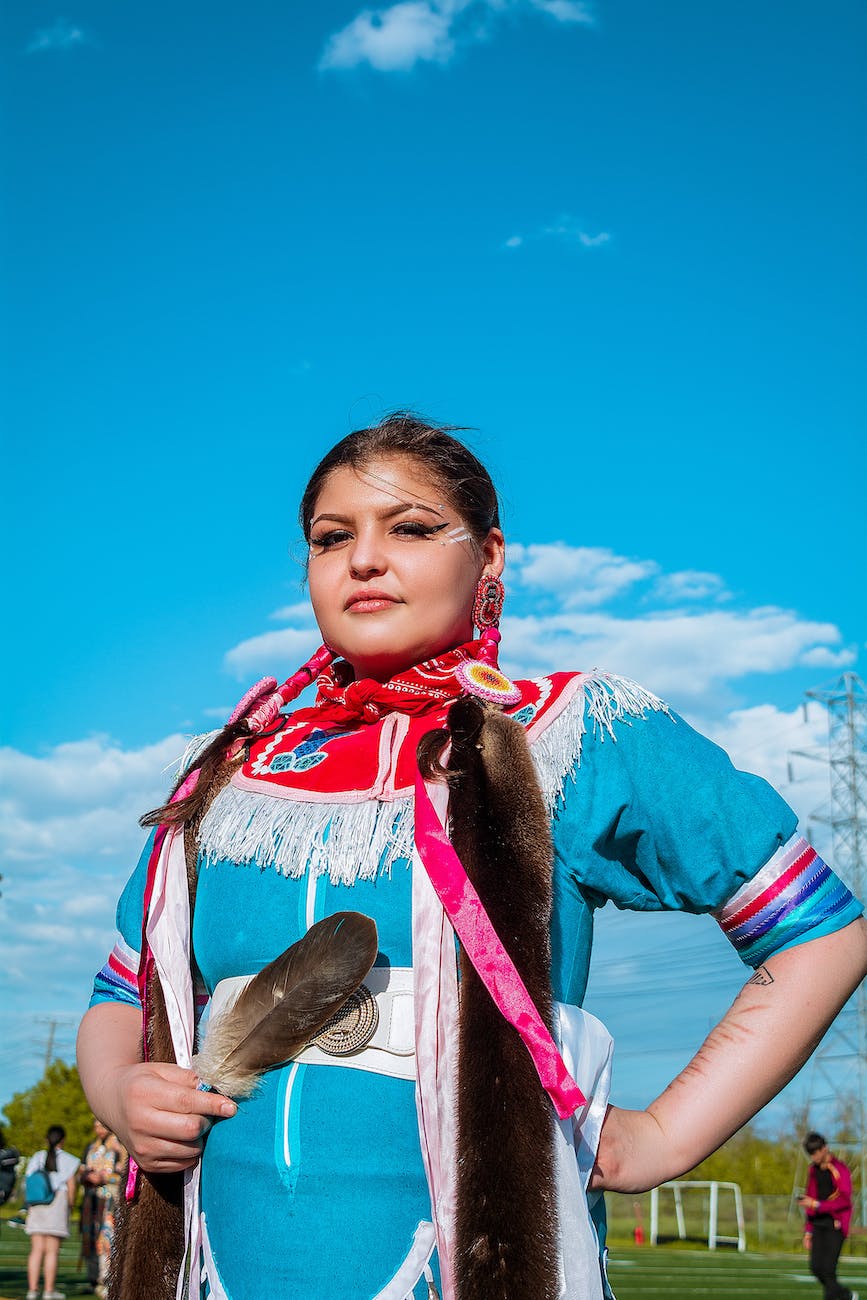
Remembering Lives Lost: Reflecting on History’s Lessons
- Acknowledge the Tragedies: Recognize and remember the injustices, such as forced removals, disease, and conflicts, that impacted Native American communities throughout history.
- Engage in Meaningful Dialogue: Foster open conversations about the challenges faced by Native Americans and how we can collectively work towards healing and reconciliation.
- Support Initiatives for Healing and Restoration: Contribute to organizations and initiatives focused on healing the wounds of the past and creating opportunities for Native American communities to thrive.
- Participate in Commemorative Events: Attend events, memorials, and ceremonies that honor the lives lost and celebrate the resilience of Native American communities.
- Advocate for Inclusive Education: Advocate for a more comprehensive and accurate representation of Native American history and culture in educational curricula, ensuring that future generations are informed about the complexities of this history.

Thanksgiving is not only a time for feasting and gratitude but also an opportunity to reflect on the shared history between Native Americans and settlers. By honoring and remembering, we can forge a path towards mutual respect, understanding, and unity. Let us celebrate Thanksgiving with a spirit of appreciation for the diverse tapestry of cultures that make up this great nation.
 Life, Lessons, and Luxury
Leave a comment