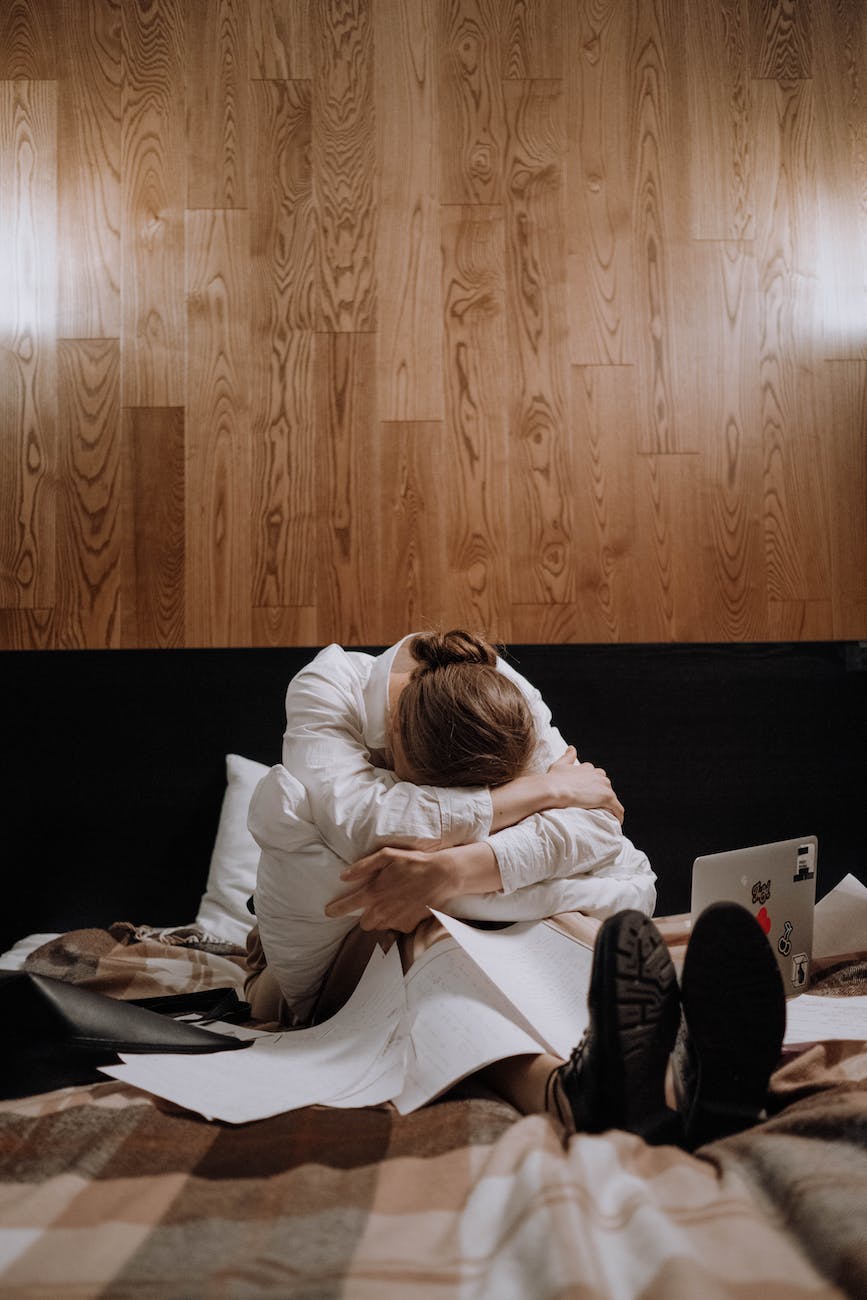
As the seasons change, so too can our moods and energy levels. For some, this shift is more pronounced, leading to a condition known as Seasonal Affective Disorder (SAD). In this blog post, we’ll explore the intricacies of SAD, from its symptoms and causes to effective coping strategies and treatment options.
What is Seasonal Affective Disorder (SAD)?
Seasonal Affective Disorder, often abbreviated as SAD, is a form of depression that occurs cyclically with the changing of seasons. It typically manifests during the fall and winter months, when daylight hours are shorter and natural light exposure is limited.
Identifying Symptoms of SAD
- Persistent Low Mood: Individuals with SAD often experience feelings of sadness, hopelessness, and a lack of interest or pleasure in activities they once enjoyed.
- Changes in Sleep Patterns: SAD can lead to disruptions in sleep, including insomnia or oversleeping.
- Weight and Appetite Changes: SAD may cause significant changes in appetite, resulting in weight gain or loss.
- Low Energy Levels: Individuals with SAD often report feeling fatigued and having low energy levels, even with sufficient rest.
- Difficulty Concentrating: Concentration and focus may become more challenging for those affected by SAD.
- Withdrawal and Isolation: Social withdrawal is common, as individuals may prefer to spend more time alone.
The Role of Light in SAD
One of the leading theories behind SAD is the disruption of circadian rhythms and the body’s internal clock due to reduced exposure to natural light during the fall and winter months. This can lead to imbalances in mood-regulating neurotransmitters like serotonin and melatonin.
Coping Strategies for SAD
- Light Therapy: Light boxes or lamps that emit a full spectrum of light mimic natural sunlight and can be effective in alleviating SAD symptoms.
- Maintain a Routine: Establishing a regular schedule for sleep, exercise, and activities can help regulate your body’s internal clock.
- Stay Active: Engage in regular physical activity, which can help boost mood and energy levels.
- Get Outside: Even on overcast days, spending time outdoors and maximizing exposure to natural light can have a positive impact on mood.
- Practice Mindfulness and Meditation: These techniques can help calm the mind and alleviate symptoms of depression.
- Seek Professional Help: If SAD symptoms persist or worsen, it’s crucial to seek support from a mental health professional.
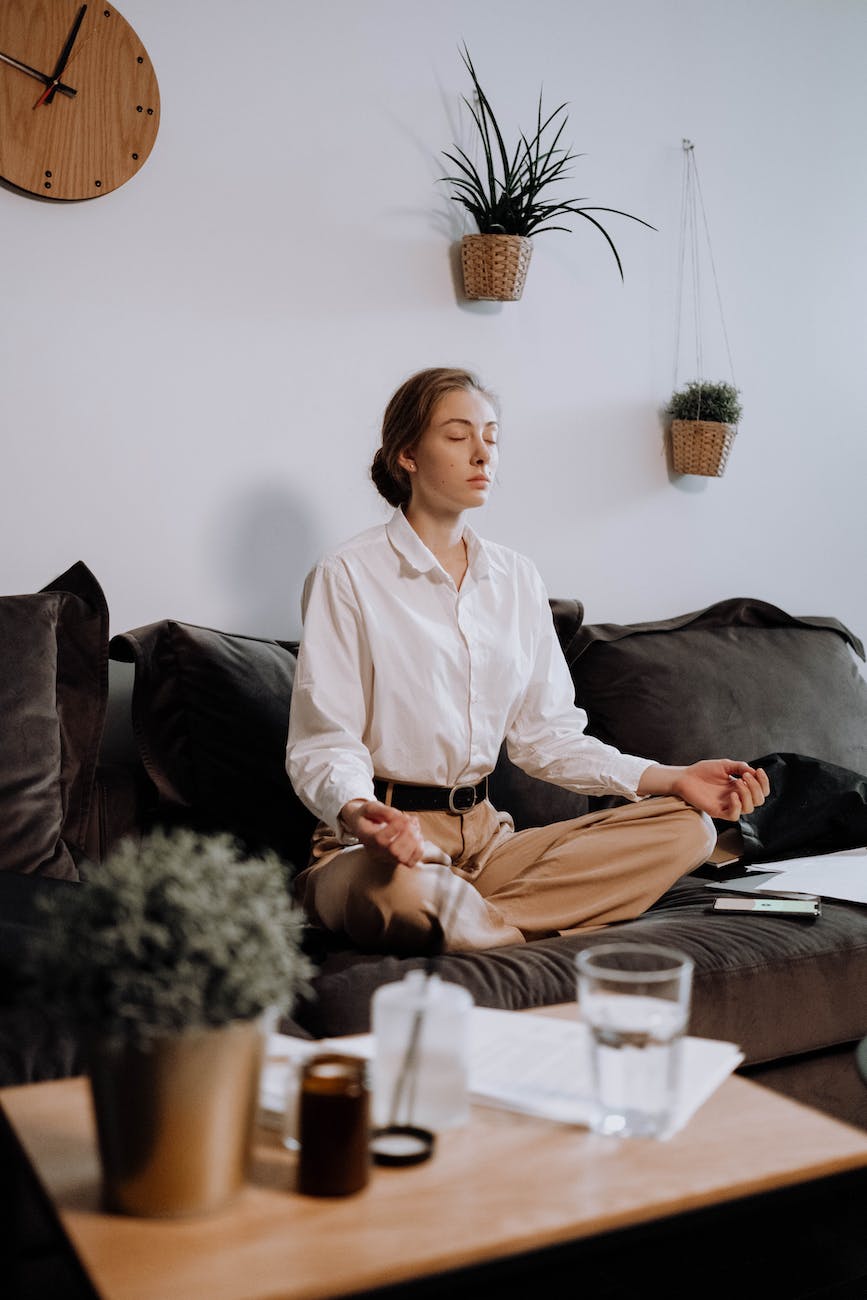
Seasonal Affective Disorder is a real and challenging condition, but it’s important to remember that help and support are available. By understanding the symptoms and causes of SAD, we can take proactive steps to manage and mitigate its impact on our mental well-being. If you or someone you know is struggling with SAD, remember that seeking help is a sign of strength and resilience. Together, we can navigate through the shadows and find the light.
 Life, Lessons, and Luxury
Leave a comment