“Old Money” refers to a social concept that represents inherited wealth and privilege that has been passed down through generations. It contrasts with the term “New Money,” which refers to wealth that has been recently acquired, often through entrepreneurial ventures or other means.
Old Money typically refers to families or individuals who have maintained their affluent status for multiple generations. This term carries with it connotations of tradition, social prestige, and a sense of belonging to an established elite class. Old Money families are often associated with a history of cultural, educational, and social influence, and they may have significant connections to high society, prestigious institutions, and exclusive clubs.
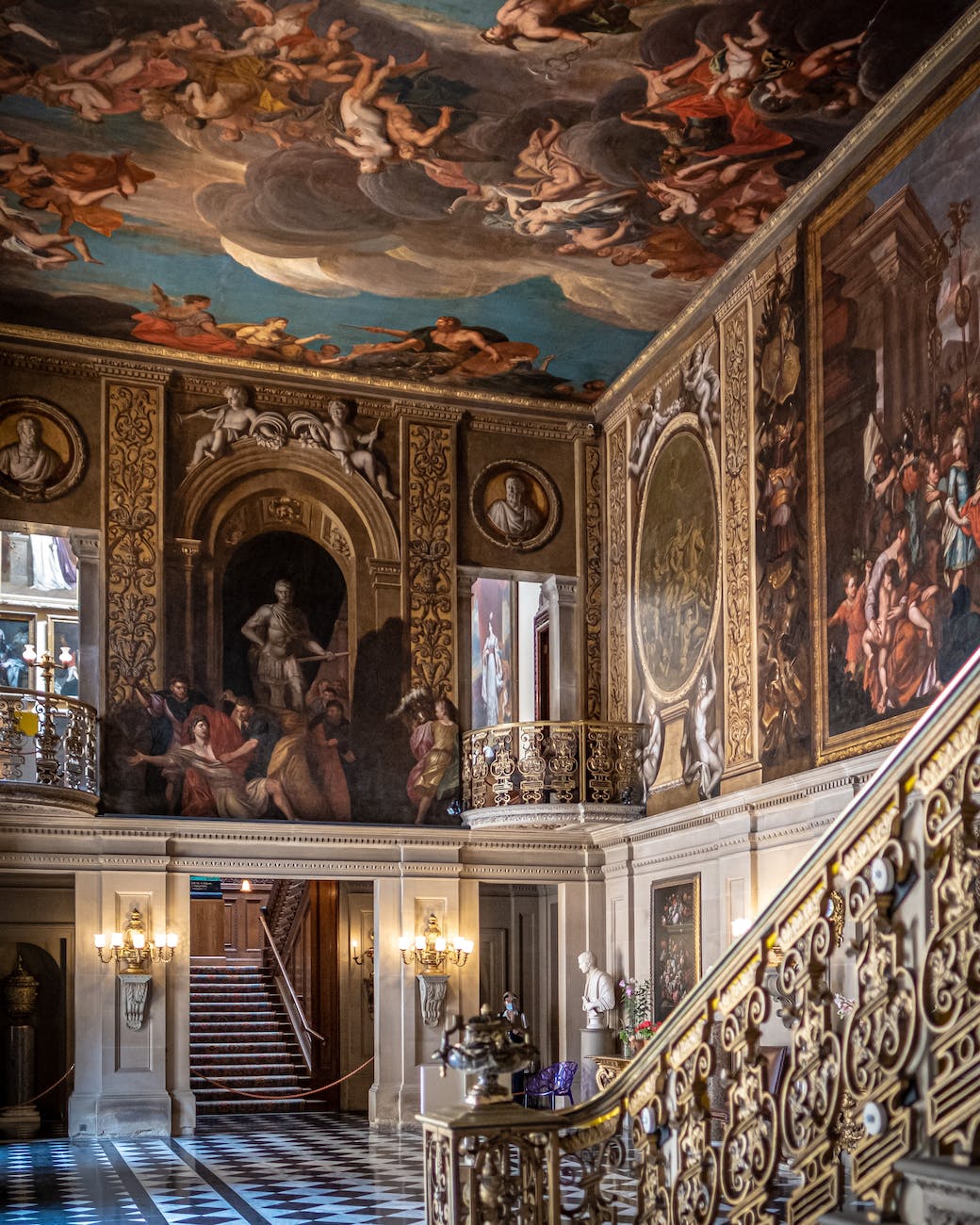
The concept of Old Money is not solely about the amount of wealth possessed but also about the values, attitudes, and behaviors associated with it. Old Money families are often characterized by a certain level of discretion, a focus on preserving family legacies, and a preference for understated elegance rather than ostentatious displays of wealth.
In contrast, “New Money” refers to individuals or families who have recently acquired substantial wealth, often within a generation, through means such as business success, investments, or entrepreneurship. New Money individuals might display their wealth more openly and may be less constrained by traditional social norms compared to Old Money families.
It’s important to note that the distinction between Old Money and New Money can be subjective and varies based on cultural and societal contexts. Additionally, not all families fit neatly into one of these categories, as there can be a spectrum of financial and social backgrounds that do not conform to these labels.
The “Old Money” aesthetic is often associated with classic, timeless, and understated luxury. While individual preferences and perceptions can vary, here are ten brands that are often considered to exude this aesthetic:
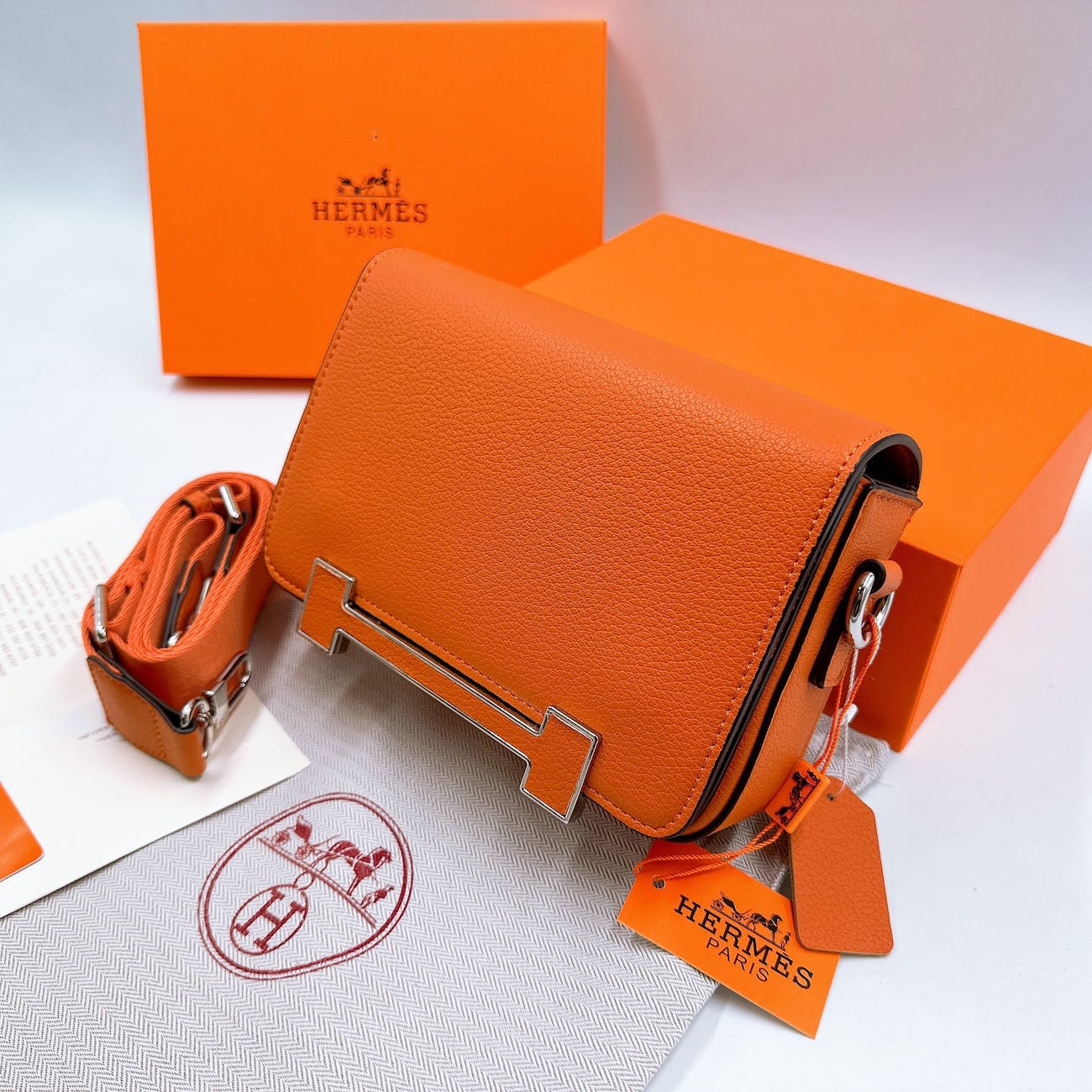
- Hermès: Known for its iconic Birkin and Kelly bags, Hermès is synonymous with timeless elegance and exceptional craftsmanship.
- Brooks Brothers: Founded in 1818, Brooks Brothers is one of the oldest American clothing brands, known for its traditional suits, shirts, and preppy attire.
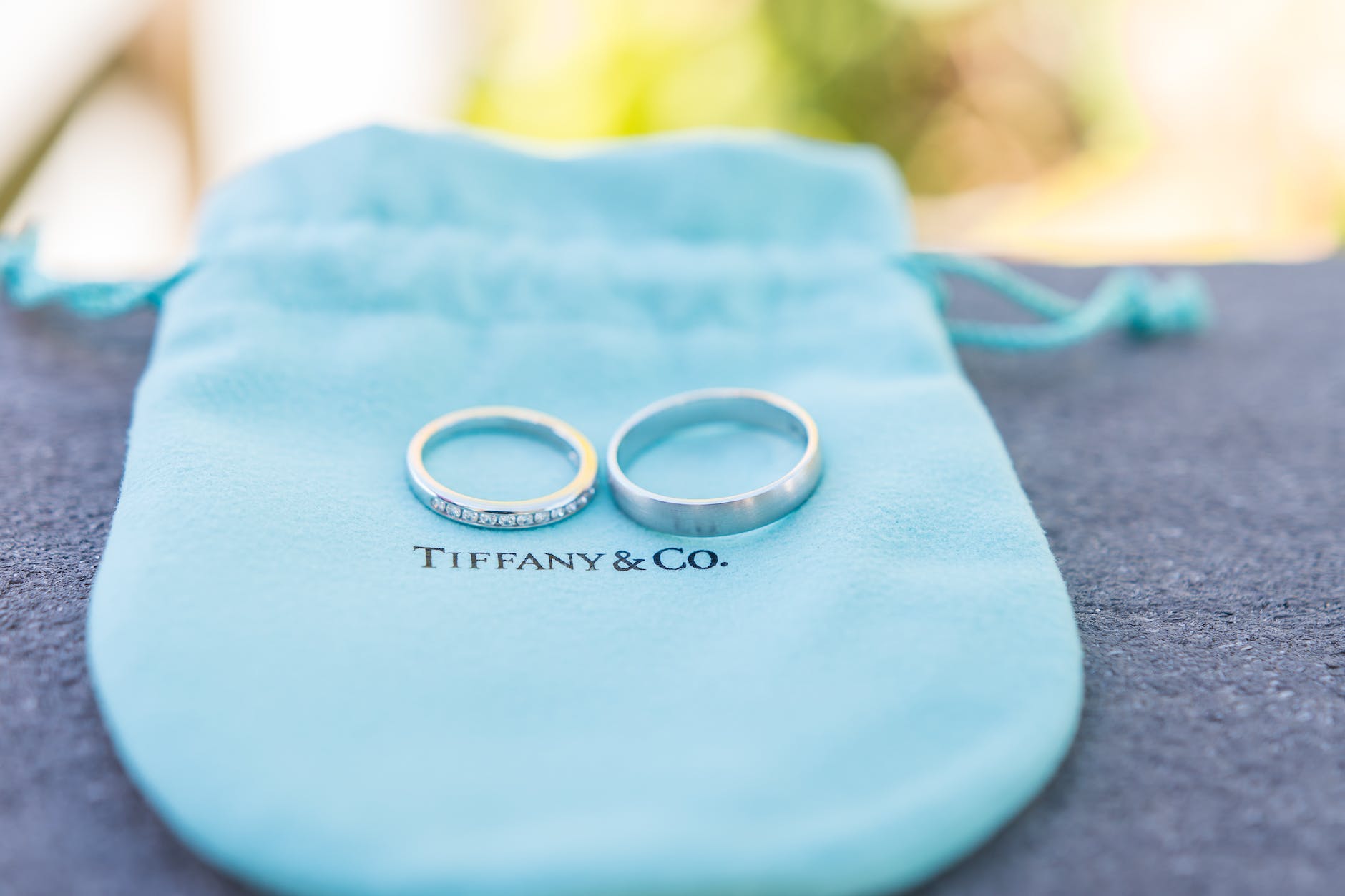
- Tiffany & Co.: This renowned jewelry and luxury goods brand is famous for its high-quality diamonds and classic designs that have been adored for generations.
- Rolex: A symbol of luxury and prestige, Rolex is known for its meticulously crafted watches that stand the test of time.
- Chanel: Channeling a sense of timeless sophistication, Chanel is celebrated for its iconic tweed suits, little black dresses, and elegant accessories.
- Ralph Lauren: With its polo shirts, classic blazers, and equestrian-inspired designs, Ralph Lauren epitomizes the preppy, old-world aesthetic.
- Louis Vuitton: Despite its popularity, Louis Vuitton’s heritage of luxury travel trunks and monogram canvas evokes a sense of classic elegance.
- Burberry: Known for its iconic trench coats, plaid patterns, and traditional British style, Burberry captures a refined and classic aesthetic.
- L.L.Bean: This American brand is known for its durable outdoor clothing and classic designs, often associated with a New England sensibility.
- Gucci: While also having a modern edge, Gucci’s legacy of quality and luxury includes timeless pieces that embody an old-world charm.
Remember that fashion and luxury preferences can be quite personal, and these brands may evoke different associations for different individuals. Additionally, the “Old Money” aesthetic is not solely about brands but also about how items are worn, the quality of craftsmanship, and the overall understated elegance they convey.
Exuding the “Old Money” aesthetic on a budget is all about embracing classic, timeless styles, focusing on quality over quantity, and paying attention to details. Here are some tips to help you achieve this aesthetic without breaking the bank:
- Invest in Quality Basics: Instead of buying a lot of trendy, fast-fashion items, focus on building a capsule wardrobe of high-quality, classic pieces. Look for well-fitting, versatile items like tailored blazers, crisp white shirts, and well-made trousers.
- Thrift and Vintage Shopping: Thrift stores and vintage shops can be treasure troves for finding classic, well-made pieces that align with the Old Money aesthetic. Look for items like structured handbags, blazers, trench coats, and accessories.
- Opt for Timeless Patterns and Colors: Stick to neutral and muted colors like navy, beige, white, and black. Classic patterns like stripes, houndstooth, and plaid can also add a touch of sophistication.
- Focus on Tailoring: Well-fitted clothing can instantly elevate your look. Invest a portion of your budget in tailoring to ensure that your clothes fit you perfectly and flatter your body shape.
- Accessorize Thoughtfully: Accessories play a crucial role in achieving the Old Money aesthetic. Look for simple, elegant accessories like pearl earrings, leather belts, and classic watches.
- Embrace Classic Hairstyles: Opt for hairstyles that are timeless and polished. Simple, well-groomed hair can contribute to an overall sophisticated look.
- Care for Your Clothing: Extend the life of your clothing by properly caring for them. Follow care instructions, avoid over-washing, and store items correctly to maintain their quality and appearance.
- Focus on Quality Shoes: Invest in a few pairs of well-made, classic shoes that can elevate your outfits. Look for styles like loafers, oxfords, and ballet flats in neutral colors.
- Subtle Logos and Branding: Choose items with minimal branding or logos. The Old Money aesthetic is about understated elegance, so avoid flashy or overly branded pieces.
- Confidence and Etiquette: Exuding the Old Money aesthetic goes beyond clothing. Cultivate confidence, poise, and good manners. Politeness and graciousness can contribute to an overall refined image.
- DIY and Customization: Get creative with DIY projects to transform and customize your clothing and accessories. Adding personal touches can make your wardrobe feel more unique and intentional.
- Educate Yourself About Style: Study the history of fashion, different style eras, and iconic figures who embody the Old Money aesthetic. This knowledge can help you make informed choices when putting together your outfits.

Remember that achieving the Old Money aesthetic is not about copying specific brands or replicating someone else’s style. It’s about embodying a sense of timeless elegance and sophistication that reflects your personal taste and values. With careful consideration and thoughtful choices, you can create a budget-friendly wardrobe that exudes the charm of the Old Money aesthetic.

Certainly, here are three iconic figures for both females and males who are often associated with embodying the “Old Money” aesthetic:
Female Icons:
- Audrey Hepburn: The legendary actress and fashion icon Audrey Hepburn epitomized elegance and sophistication. Her classic style, often featuring tailored silhouettes, little black dresses, and simple yet refined accessories, has made her a timeless symbol of the Old Money aesthetic.
- Grace Kelly: As an American actress who became the Princess of Monaco, Grace Kelly’s style exuded a graceful, refined charm. Her penchant for luxurious fabrics, pearls, and impeccable tailoring contributed to her status as an icon of timeless elegance.
- Jacqueline Kennedy Onassis: Known for her role as First Lady of the United States, Jacqueline Kennedy Onassis (Jackie O) was admired for her impeccable fashion sense. She favored simple, well-tailored outfits, statement sunglasses, and iconic accessories, embodying the understated luxury associated with Old Money.
Male Icons:
- Humphrey Bogart: Renowned for his roles in classic films, Humphrey Bogart’s style was characterized by tailored suits, trench coats, and a confident demeanor. His refined yet relaxed fashion choices captured the essence of the Old Money aesthetic.
- Cary Grant: With his suave demeanor and impeccable dressing, Cary Grant is often considered a quintessential representation of timeless style. His choice of well-fitted suits, classic ties, and polished shoes contributed to his iconic status.
- John F. Kennedy: As a charismatic President of the United States, John F. Kennedy embodied a sense of privilege and refinement. His preference for well-fitted suits, crisp shirts, and boat shoes highlighted his connection to the Old Money aesthetic.
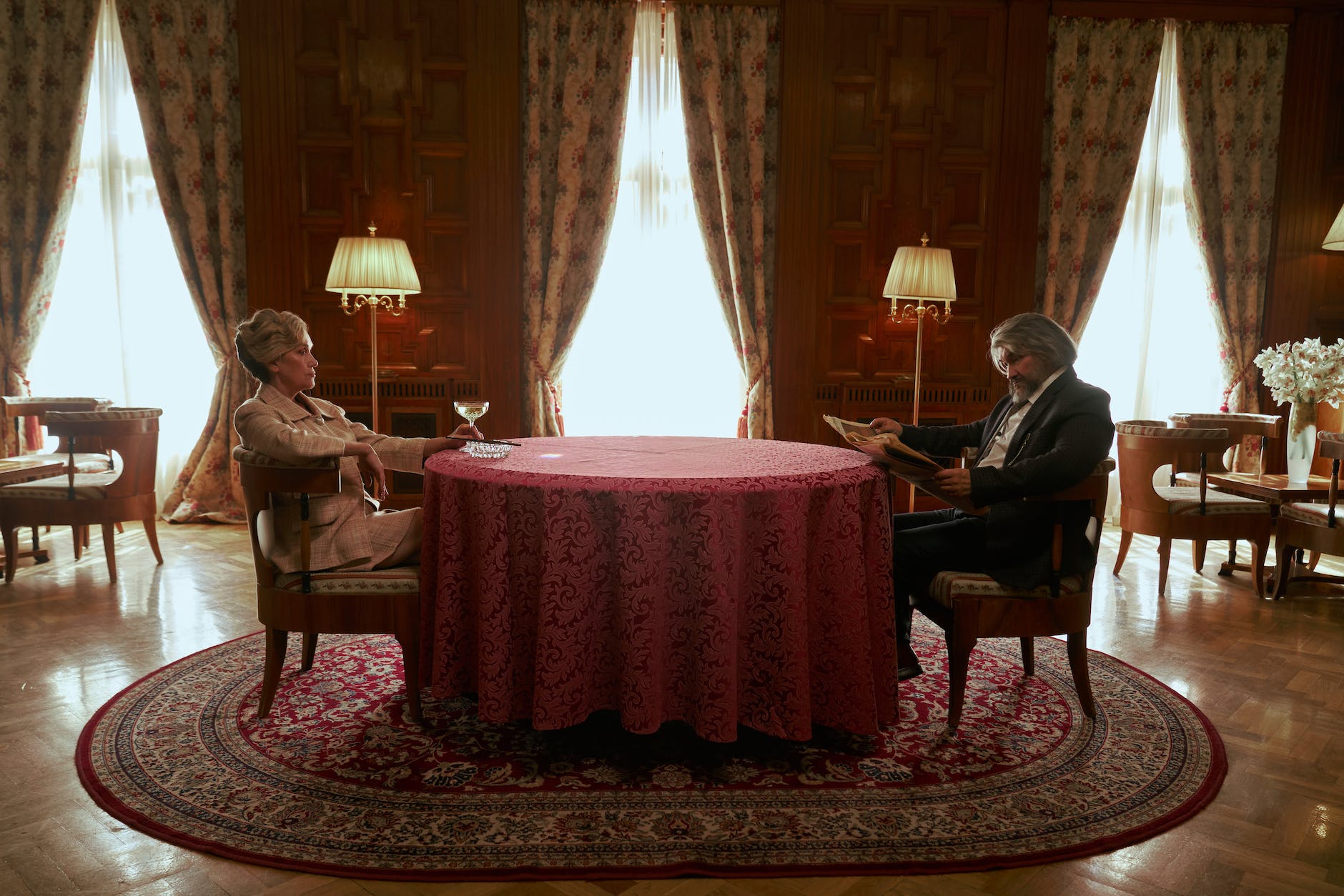
These iconic figures not only left a lasting impact on their respective fields but also captured the essence of elegance, tradition, and sophistication that are characteristic of the Old Money aesthetic.
In a world where trends come and go, the allure of the “Old Money” aesthetic remains unwavering. Rooted in tradition, sophistication, and understated elegance, this timeless style transcends generations and continues to inspire individuals seeking a sense of refined charm. From the classic silhouettes of Audrey Hepburn and the graceful allure of Grace Kelly to the confident suiting of Humphrey Bogart and Cary Grant, these iconic figures have etched their names into the annals of fashion history, embodying the essence of Old Money sophistication. Jacqueline Kennedy Onassis and John F. Kennedy added their own touch of luxury and poise, underscoring the enduring power of well-tailored clothing and subtle, yet impactful, accessories. As we navigate the ever-changing landscape of fashion, these figures serve as reminders that true style lies in embracing timeless pieces, impeccable craftsmanship, and an air of confidence that can transform any wardrobe into a testament of elegance, regardless of one’s background or budget. The “Old Money” aesthetic remains a beacon of enduring allure, offering us a glimpse into a world where tradition and refinement reign supreme.
 Life, Lessons, and Luxury
Leave a comment